

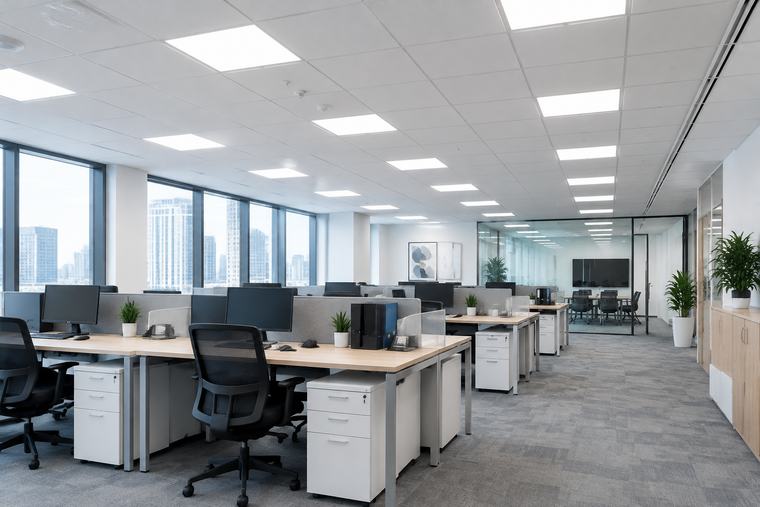
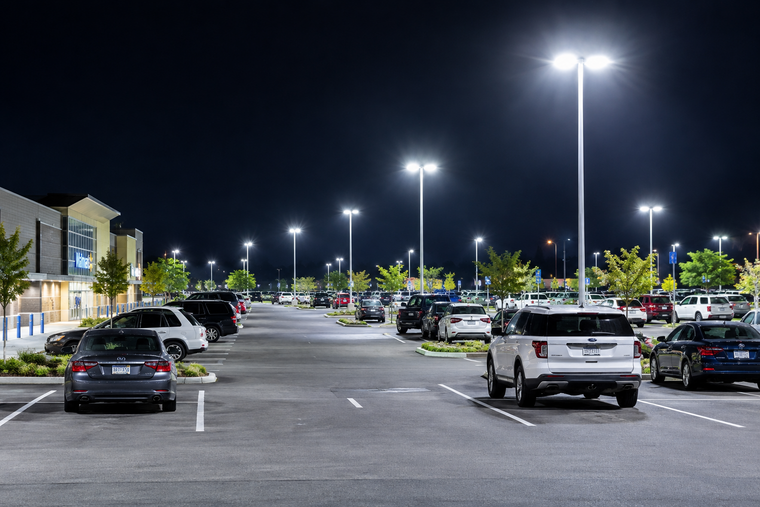
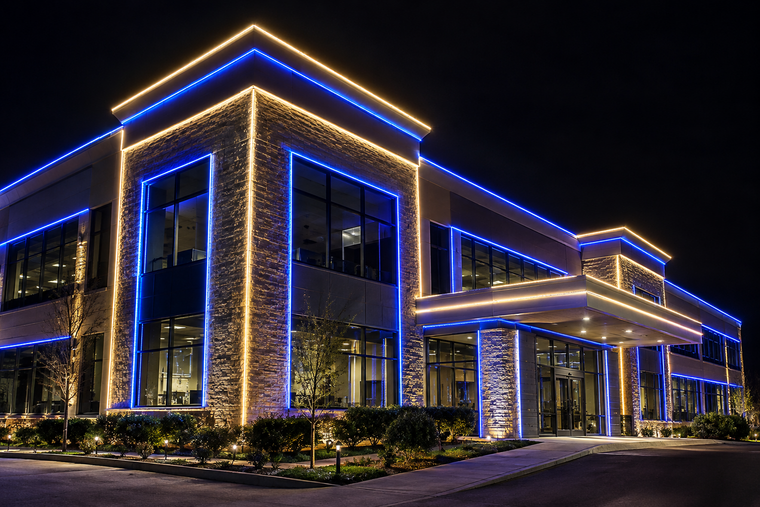

LED lights last a long time, but they do not last forever. With time, the brightness drops, the color can shift and the overall performance slowly changes. Knowing when to replace your LED installations helps you avoid poor lighting, higher bills and safety issues. This guide breaks down how long LEDs usually last, what signs to watch for and when a repair is worth trying. Replacing lights at the right time saves money and keeps your building looking professional and well maintained.
You should replace your LED installations when you notice dimming, flickering, color shifting, or reduced brightness compared to when they were new. Other signs include frequent driver failures, increased energy use, or lights no longer meeting your space’s illumination needs. Most quality LEDs last 25,000–50,000 hours, so if yours are nearing the end of that lifespan, upgrading ensures better efficiency, performance, and cost savings.
How Long Do LED Installations Typically Last?

When LED technology came to the market, one of the biggest promises was a long working life. Most commercial LEDs run anywhere from 50,000 to 100,000 hours. That sounds like a huge number, but real conditions make a big difference. Heat, dust, poor ventilation, cheap drivers and environmental stress all affect how long your LED installations will last.
Even with proper care, LEDs slowly lose brightness over time. This is part of the natural lifespan of LED lights. Once your lights reach around 70 percent of their original brightness, you will start to see shadows and dim areas that did not exist before. At that point, the LEDs may still turn on, but they are no longer performing the way they should.
Signs It Is Time to Replace Your LED Lights

1. Dimming or Reduced Brightness
One of the easiest signs to spot is dimming. It usually does not happen overnight. Instead, people start to notice that their warehouse feels darker, the store aisles look dull or parking areas no longer feel as bright and open. If several fixtures are dim, not just one, it usually means the LEDs are reaching the end of their life. Dim light also affects safety and visibility, so replacement is often the right move.
2. Flickering or Flashing LEDs
A flickering light is more than just annoying. It often points to problems with the driver or internal components. Sometimes a loose connection can cause it, but repeated LED flickering is a sign the fixture is wearing out. In workplaces, flickering can cause headaches and eye strain. In public spaces, it makes the area feel poorly maintained. If you notice several lights flickering, replacing the fixtures is usually more practical than repairing them one by one.
3. Color Shift or Yellowing
Over time, LEDs can change color. A bright white light might start looking yellow or dull. Some shift toward blue. This usually happens because the materials inside the LED slowly break down. Color shift is easy to spot in offices, showrooms and retail environments where appearance matters. If different fixtures in the same room no longer match, the lighting system is likely aging. Replacing those lights will restore consistency and make the whole space look cleaner.
4. Frequent Power Cycling or Failure
If your LEDs are turning on and off randomly, the driver is probably failing. Drivers usually give out before the LED itself does. A single fixture may be repairable, but when several fixtures have the same behavior, it points to an aging system. Replacing the lights helps avoid constant troubleshooting and gives you a more reliable setup.
5. Increased Energy Bills
LEDs are supposed to save energy, but older systems can slowly lose efficiency. Sometimes the fixture starts drawing more power as components wear down. Dirt buildup and heat also make the lights work harder. If your bill has gone up even though your usage has stayed the same, you may be experiencing energy efficiency loss. New LED fixtures return your building to the lower energy costs you expect.
Should You Replace the LED or Just the Fixture?
Not every lighting issue means a full replacement. If the fixture housing is solid and the internal components are still supported by the manufacturer, repairing the driver might be enough. This can be a good choice for newer installations.
However, a full replacement becomes the better option when parts are no longer available, when the lighting looks uneven or when several fixtures are failing around the same time. Older fixtures simply cannot match the performance of newer technology. Upgrading brings back brightness, improves energy savings and reduces maintenance calls.
Benefits of Timely LED Replacement
There are several benefit of replacing LEDs fixtures at the right time.
Better Light Quality
New fixtures give you a clean, bright and even spread of light. This improves everything from safety to customer experience.
Lower Energy Costs
New LEDs usually run more efficiently than older models, which helps bring monthly energy costs down.
Fewer Maintenance Issues
Old fixtures can require constant attention. New ones help reduce service calls and unexpected repairs.
Safer Work Areas
Good lighting makes it easier for people to move around safely, especially in busy or dim locations.
Better Appearance
Fresh lighting makes any space feel more inviting. Retail stores, offices and public areas all benefit from brighter, cleaner light.
Stronger Long Term Value
Replacing lights at the right time helps you avoid sudden failures and protects the value of your entire lighting system.
How to Extend the Life of Your LED Installations?
Small habits can add years to your lighting system.
Keep the Fixtures Clean
Dirt traps heat and reduces brightness. Cleaning fixtures regularly helps the LEDs stay cool and perform better.
Allow Good Airflow
LEDs work best when they stay cool. Tight or enclosed spaces shorten the life of the light.
Use High Quality Drivers
A reliable driver protects the LEDs and keeps them running at the correct power level.
Add Surge Protection
Power spikes can harm LED components. Surge protection helps keep your system safe.
Invest in Quality Products
Fixtures made with strong materials and tested components simply last longer and perform better.
Schedule Annual Checkups
A yearly inspection helps catch problems early and keeps the system running smoothly.
Professional LED Assessment: When to Call the Experts
If you are unsure whether to repair or replace your lights, a professional assessment can help. A lighting specialist can test brightness levels, review the condition of the drivers, check for color changes and look for signs of heat stress. An assessment is especially useful when several fixtures are dim, when lights look inconsistent or when your layout no longer fits your needs.
A trained specialist can give you honest guidance about whether you should repair a few components or upgrade the entire system.
FAQs
How do I know if my LED lights are going bad?
You will usually see dimming, flickering, color changes or uneven light. A rise in energy costs can also be a sign.
Can LED lights be repaired instead of replaced?
Sometimes they can. Drivers and certain components may be repairable. If the fixture is older or multiple lights are failing, replacement is normally the better choice.
What is the lifespan of indoor and outdoor LEDs?
Indoor LEDs typically last longer because the environment is more stable. Outdoor LEDs face heat, cold and moisture, so their life is usually a bit shorter.
Do LEDs lose brightness over time?
Yes. It is completely normal for LEDs to become dim LED lights as they age.
Is upgrading older LEDs worth it?
Yes. Newer technology provides better efficiency, stronger brightness and improved reliability.